Brand new IHGS course - launched July 2026
Property, People and Place
Genealogy Land and House Records: Find Family Stories in Property Sources
Be among the first students to take this brand new course in genealogy land and house records, launched in July 2026. House records can reveal the family stories hidden behind an address: who lived there, how they made a living, what they owned, who their neighbors were, and how the property passed from one generation to the next.
Learn how maps, deeds, census returns, tax records, wills, manorial sources, newspapers, and estate records can turn a house into evidence for the people and communities connected to it.
When a family history brick wall feels like a dead end, experts often widen the search to house records. Ownership, tenancy, boundaries, taxes, disputes, and inheritance can reveal critical information that a name-by-name search may never uncover.
Limited-time launch celebration offer
$483 (£360)Save $120 (£90) - 20% off the usual $603 (£450).
94 learning activities
Seven modules of maps, deeds, census records, tax lists, probate, manorial sources, and practical research technique.Enroll any time and work through the material without a fixed timetable.
Ideal if you have used civil registration records, census returns, and parish registers.
Apply professional research habits to houses, communities, and the people who shaped them.
House History, Done Properly
Genealogy land and house records can reveal stories a family tree alone can miss.
Every property sits inside a web of owners, tenants, neighbors, rights, disputes, taxes, maps, repairs, inheritances, and local memory. This course shows you how to bring those threads together so a house becomes a documented story, not just a set of dates.
Written by expert IHGS tutors Lucy Browne, Sarah Pettyfer, and Lorraine Whale, Property, People and Place introduces the sources and methods used to research houses and buildings in England and Wales.
Who This Is For
Built for curious researchers who want more than a name on a tree.
This course is especially suitable for people with some family history experience who want to deepen their method, broaden their sources, and add place-based research to their toolkit.
Practicing genealogists
Add house history reports, place studies, and property evidence to your professional research skills.
Family historians
Learn how a family home, farm, cottage, shop, or street can reveal fresh clues about the people you research.
Hobby researchers
Follow fascinating records without getting lost in unfamiliar legal, mapping, and archival sources.
Local historians
Connect buildings to wider communities, landholding patterns, transport routes, courts, and changing neighborhoods.
Expert Methods
Learn how experts turn scattered evidence into a clear property timeline.
You will learn how to identify a property, read its setting, build a timeline, move between maps and documents, organize your findings, and decide which archive or online collection should come next.
- Research the house, its surroundings, and the wider community
- Use maps to understand change over time
- Connect people to property through census, tithe, valuation, and directory evidence
- Interpret deeds, court records, wills, inventories, tax records, and estate sources
Records With Stories Inside
This course takes you into the genealogy land and house records experts actually use.
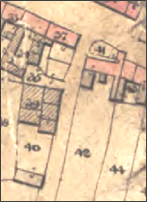
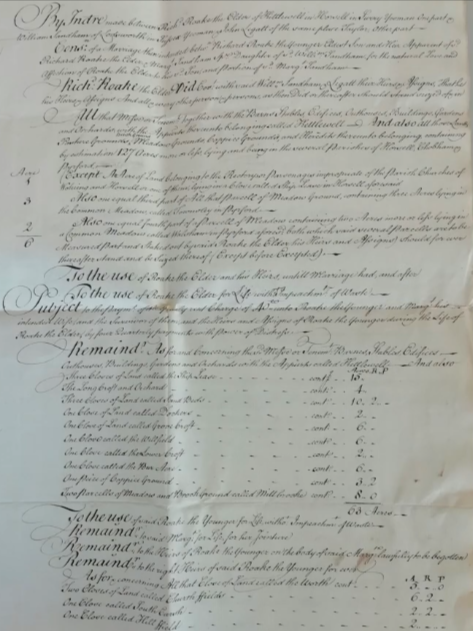
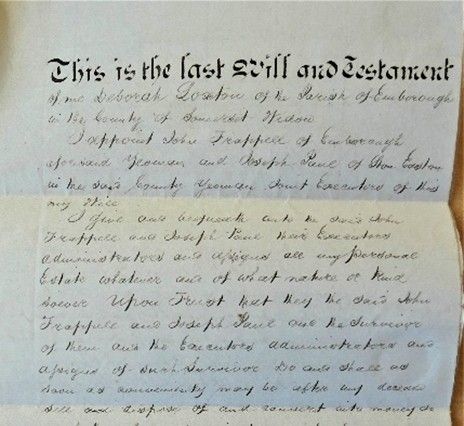
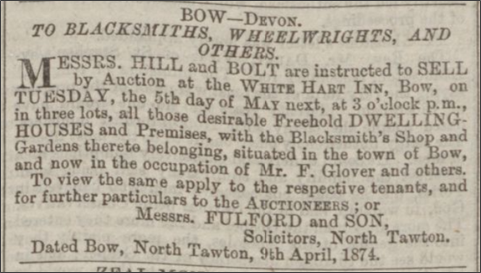
What You Will Learn
What this genealogy land and house records course covers.
Each module builds practical confidence with a different group of sources, from first map work to manorial records and estate evidence.
Getting Started - The Foundations
Begin with location, context, building evidence, community sources, first archive visits, online searches, and a practical system for organizing your research.
- Where exactly is my house?
- No house is an island
- The old and the new: reading the building
- The solicitor's office
Location, Location, Location - Using Maps
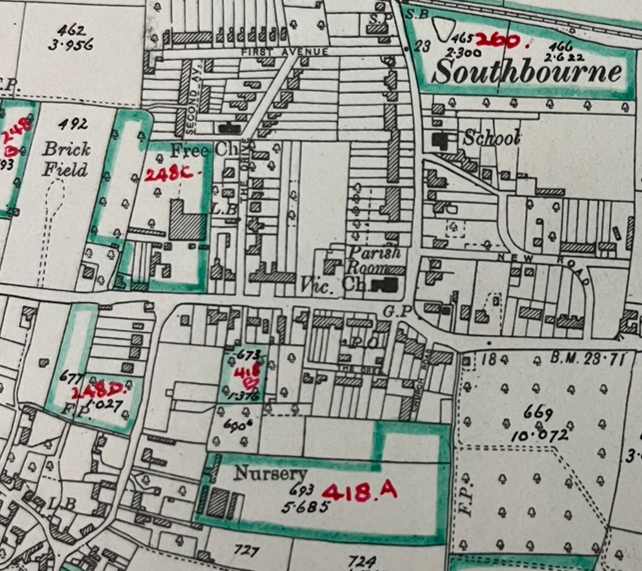
Use modern and historic maps to see change over time, including Google tools, Land Registry, Ordnance Survey, tithe, estate, enclosure, Goad, glebe, and bomb damage maps.
- Beginning map regression
- National Farm Survey
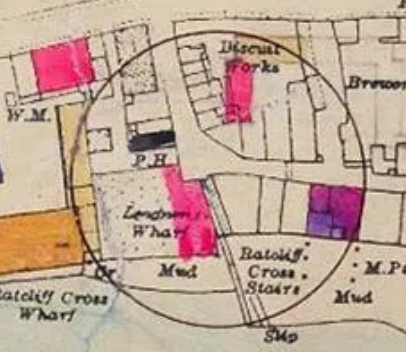
- 1910 Valuation Survey
- Online mapping tools
Into the Recent Past
Trace the occupants, ownership, and development of a property through 19th- and 20th-century sources.
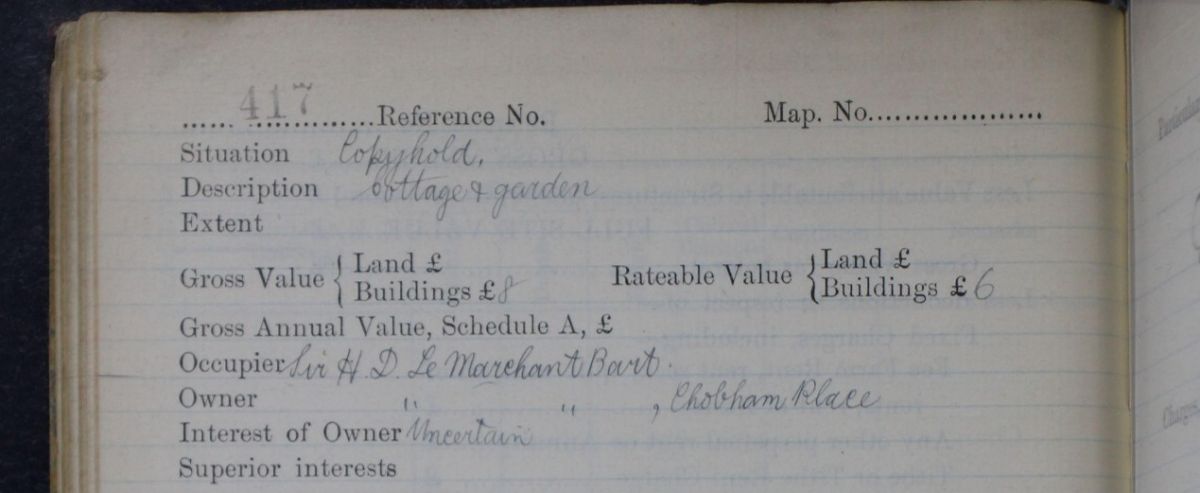
- Finding your house in valuation records
- Census searching
- Directories and voters' lists
- Newspapers and timelines
Paper Trails - Title Deeds and Court Records
Learn how deeds and court records document ownership, transfer, disputes, rights, and legal histories connected with a property.
- Interpreting deeds
- Oliver Cottage case study
- Chancery and Exchequer records
- Inquisitions post mortem
Follow the Money - Tax and Probate
Use taxes, wills, and inventories to discover wealth, status, property descriptions, possessions, and family relationships.
- Subsidy rolls and land tax
- Hearth tax and window tax
- Poor rates
- Wills outside England and Wales
Lords, Lands and Tenants
Explore manorial and estate records that reveal landholding, tenancy, inheritance, copyhold land, and local power structures.
- The manor and feudal rights
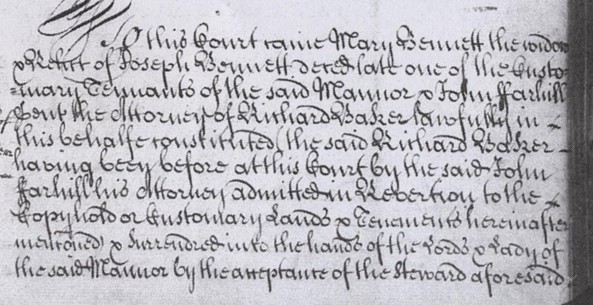
- Records of the Court Baron
- Reading manorial court rolls
- Glossaries for manorial records and Latin terms
House History Report and Next Steps
Bring your evidence together into a coherent house history report, with the option to submit your work for feedback from IHGS tutors.
- Turn notes into a structured report
- Explain evidence clearly
- Identify gaps and next searches
- Use tutor feedback to strengthen your method
Case Studies
Follow real research problems from clue to context.
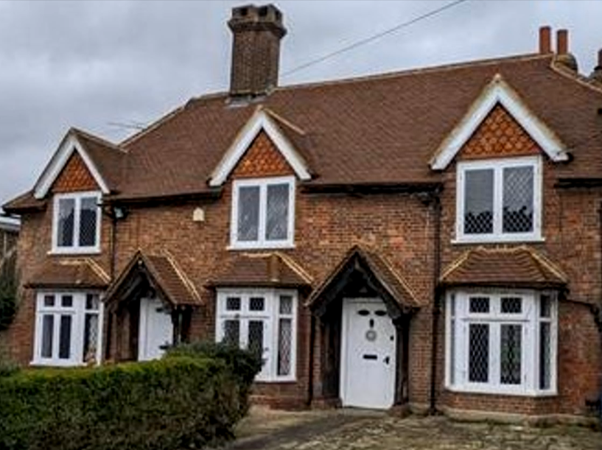
Case studies including Merlin Crescent, Cheesman brothers' farm, Watersfield, Applegarth, 69 Hencroft Street, Oliver Cottage, and Childs/Raymonds Cottage show how different records work together.
That is where this course becomes especially powerful for genealogists: it trains you to think across person, place, and property, so one source can lead you intelligently to the next.
Assessment and Feedback
Non-assessed, with optional tutor feedback.
This is a non-assessed course, so you can focus on learning the sources and practicing the techniques. Students may submit a house history report for feedback from IHGS tutors.
That makes it a strong choice for researchers who want expert guidance without the pressure of a formal examination.
FAQ
Frequently Asked Questions
Do I need previous house history experience?
No. The course is ideal for people with some family history research experience who want to apply those skills to houses, buildings, and places.
Can I enroll from the United States?
Yes. The course is delivered online, and US learners can enroll through the course payment link.
Is there a fixed timetable?
No. Students may enroll at any time and study at their own pace.
Will genealogy land and house records help my research?
Yes. Land and house records strengthen the way you use maps, timelines, legal documents, local context, and evidence across genealogy projects.
Limited-Time Launch Offer
Celebrate the launch of this new course and start researching the stories buildings remember.
For a limited time as we celebrate the July 2026 launch of Property, People and Place, you can enroll at the introductory sale price and learn how to uncover the people, rights, maps, records, and local histories behind a property.
Introductory offer shown as approximately $483 (£360), 20% off the usual approximately $603 (£450). Approximate USD shown first for US learners. Final charges may vary by exchange rate and payment provider.