Turn Your Curiosity into Expertise
Could Your Passion for Genealogy Become a Career?
The world of work is changing. Established roles are being reshaped by technology, automation and changing industries, leaving many experienced people wondering what comes next.
But a new direction does not always mean starting again from nothing.
The curiosity that keeps you searching, the patience that helps you follow a difficult trail and the satisfaction you feel when a family story finally comes together could become the foundation of meaningful professional work.
Professional genealogy combines research, evidence, history, investigation and human understanding. With structured training and a specialist grounding in British Isles records, your interest in the past could help you build a more flexible future.
From Passion to Profession
Can Genealogy Really Become a Career?
Yes. Genealogy can become a part-time profession, a flexible second career or, for some practitioners, a full-time business.
Professional genealogists do far more than add names to family trees. They evaluate evidence, solve difficult research questions, locate and interpret historical records, prepare documented reports and help people understand the stories behind their families.
Some work directly with private clients. Others become specialist researchers, contractors, writers, teachers, speakers, consultants or research partners to legal, historical and heritage organisations. Many combine several of these areas into a portfolio career.
Making that transition takes more than enthusiasm. Professional work requires disciplined research, accurate source analysis, clear communication, ethical judgment and the ability to explain how a conclusion was reached. Structured training, such as the Higher Certificate in Genealogy, helps turn personal experience into expertise that clients and professional partners can trust.
A PASSION WITH PROFESSIONAL POSSIBILITIES
There Is More Than One Way to Build a Career in Genealogy
A professional genealogy career does not have to follow one fixed route. You could work directly with families, develop a specialist research service, support legal or creative professionals, contribute to books and screen productions, teach, write or combine several areas into a flexible portfolio career.
Private Client Research
Help families build properly documented histories, verify inherited family trees and solve questions that have remained unanswered for generations.
Research for Writers, Film and Television
Help authors, journalists, documentary makers and filmmakers investigate real people, family relationships and historical communities. Work may include historical research for authors, biographical and memoir research, fact-checking identities, relationships and timelines, and locating archival context for print or screen.
Citizenship and Lineage Documentation
Help clients document ancestral connections for citizenship-by-descent enquiries, lineage-society applications and other evidence-based heritage claims. This can involve locating records, documenting links between generations, resolving identity discrepancies and working alongside qualified attorneys.
DNA and Family Connections
With appropriate additional training, combine DNA evidence with documentary research to investigate biological relationships and difficult family questions.
Probate and Heir Research
Research family relationships, identify potential heirs and prepare carefully documented findings for legal and estate professionals.
House and Property Histories
Discover the people, events and historical records connected with homes, land, businesses and significant places.
Heritage and Ancestral Travel
Research the places connected with a client’s ancestors and help bring meaning to the homes, churches, communities and landscapes within their family story.
Family Legacy Projects
Create family-history books, oral histories, ancestral timelines, reunion displays and other lasting ways for families to preserve and share their stories. Projects may bring together interviews, photographs and family documents.
Teaching, Writing and Speaking
Share specialist knowledge through workshops, talks, articles, books, research guides and educational resources.
Heraldry and Historical Research
Provide informed heraldic or historical research for individuals, institutions, museums, authors, filmmakers and heritage organisations.
Archives, Museums and Heritage Organisations
Support exhibitions, collections, local-history projects and public programmes by researching people, families, communities, photographs, heirlooms and historical records.
Develop a Regional Specialism
Build on your professional research foundation by developing deeper expertise in a region such as England, Scotland, Ireland or Wales—and help clients whose family stories cross the Atlantic.
You might choose one speciality or gradually combine several. The aim is to build expertise that can be applied in different ways as your work develops.
Your Experience Still Matters
You May Not Be Starting Over
Career change can feel daunting, particularly after years spent developing skills in another profession. But professional genealogy draws on abilities that many people have already developed throughout their working and personal lives.
Research and Investigation
Knowing how to ask questions, follow evidence and look beyond the obvious.
Critical Thinking
Recognising inconsistencies, evaluating competing information and avoiding unsupported assumptions.
Communication
Explaining complex findings clearly and sensitively to clients.
Organisation
Managing records, sources, timelines, correspondence and detailed projects.
Professional Experience
Working to deadlines, managing expectations and taking responsibility for the quality of your work.
Life Experience
Understanding that family stories can be complicated, emotional and deeply personal.
You do not need to arrive with every answer. Professional training can help you turn these transferable strengths into disciplined research, sound analysis and work that others can trust.
A Career Built Around Possibility
What Does a Professional Genealogist Actually Do?
Professional genealogy is not one job title. The same research skills can support private client work, specialist casework, historical consultancy, teaching, publishing and research support for other professions. The Higher Certificate pathway helps students build the research habits and specialist knowledge behind that work.
Some students study for personal interest; others prepare to offer research services, develop an advanced specialism or pursue external credentials. The right route depends on the work they want to do and the standards that work requires.
A New Chapter
Could Genealogy Be Your Second Career?
Many people discover genealogy after building experience in another profession. Research, education, journalism, law, healthcare, administration, technology, libraries, public service and many other careers can develop abilities that transfer naturally into professional genealogy.
Your previous career does not have to be wasted or left behind. It may shape the specialist services you eventually offer, the clients you understand or the way you approach evidence and communicate difficult findings.
You can begin learning while continuing in your present role, caring for family or planning the next stage of your working life. IHGS distance learning is designed to fit around existing commitments, allowing students to develop professional skills without relocating or abandoning their current responsibilities.
A FLEXIBLE PROFESSIONAL PATH
One Qualification. More Than One Way to Build a Career.
A sustainable genealogy career does not necessarily rely on one type of client or one service. A portfolio can combine research projects, specialist services, professional referrals, education and consultancy, giving practitioners more than one way to apply their skills as their experience develops.
Core Client Work
Family-history research, family-tree verification and brick-wall projects.
Specialist Services
A specialist area such as property history, DNA, probate, heraldry, British Isles research or another carefully developed niche.
Professional Partnerships
Research provided to attorneys, estate professionals, historians, other genealogists, institutions and related specialists.
Teaching and Publishing
Workshops, talks, articles, research guides and educational resources.
Formal training gives you more than knowledge. It helps you develop the research discipline, evidence analysis and professional reporting skills needed to build services that clients and professional partners can trust.
Accredited Training
Study At Your Own Pace
Led By A Team of Experts
Flexible Learning
Study Around the Life You Are Building
- Designed for individuals balancing work, family, or career transitions
- Study remotely without relocating
- Progress at a pace that suits your schedule
- Structured modules with clear milestones and guidance
Study Online
Study Online with Access to a World-Class Research Environment
Online learning
- Flexible distance learning format
- Study from anywhere in the world
- Progress at your own pace
- Structured modules and guidance
Resources
- Access to extensive family history resources in Canterbury, Kent UK
- Exposure to real archival materials and research collections
- Support from experienced genealogists and subject experts
Why Expertise Matters
Why Professional Genealogists Are Trusted
Professional genealogists earn trust by verifying, interpreting, and connecting evidence across multiple sources. That discipline can support work for private clients and the attorneys, estate professionals, historians, institutions, and other researchers who rely on careful findings.
Formal study and recognised pathways can help demonstrate that discipline, while each external organisation sets its own requirements.

Inaccurate Online Data
Many user-generated family trees contain errors.
Information is often copied without verification.
Complex Research Challenges
Brick walls require interpretation, not just searching.
Records must be analyzed in context.

Records Beyond the Internet
Not all historical records are digitized.
Physical archives remain essential for complete research.
Enhanced AGRA Recognition
Higher Certificate Graduates Now Receive an AGRA Research Assignment Exemption
Future graduates of the Higher Certificate in Genealogy are now exempt from AGRA's 20-hour research assignment when applying for membership, because the course now concludes with a 20-hour assignment that meets AGRA criteria.
This recognition reflects AGRA's confidence in the quality, rigour, and professional research skills developed throughout the course, giving students a flexible recognised route toward credible professional status.
- Advanced genealogical research methods, sources, and analysis
- Practical projects that build professional competence
- Expert tuition supported by the IHGS specialist library
- Flexible study designed for dedicated students and career changers
- Direct pathway to AGRA membership with the new assignment exemption
British Isles Specialist Strength
Build Specialist Expertise in British Isles Research
The Higher Certificate builds broad professional research foundations alongside a distinctive strength in British Isles research. If your interests or client work lead across the Atlantic, this specialist knowledge can help you work confidently with the records, places and jurisdictions behind English, Scottish, Irish and Welsh family histories.
These cases often need more than a single online search. For a U.S.-based genealogist, British Isles expertise can support transatlantic client work and referrals from other researchers whose cases cross the Atlantic. For a practical example of this kind of work, explore how transatlantic research can bridge the gap to English, Scottish and Irish ancestors. It is a distinctive area of focus within a wider professional genealogy career.
British Isles Specialist Strength
Make British Isles Expertise Part of Your Practice
British Isles knowledge is a distinctive area of expertise within a broader genealogy practice, especially when a family story crosses the Atlantic and research calls for local records, places and historical context.
It can strengthen private client work, referred cases and other services without limiting the wider focus of your professional direction.

A British Isles specialism you can build
British Isles expertise can become the foundation for a varied professional portfolio. Knowledge of English, Scottish, Irish and Welsh records, places, naming patterns and historical context can add value wherever a client’s story reaches across the Atlantic.
That specialism can support work such as:
- Private client research into English, Scottish, Irish or Welsh family histories
- Specialist transatlantic casework that connects overseas families with British Isles records
- Citizenship-by-descent enquiries, lineage-society applications and documented heritage claims
- Probate and heir research using civil, parish, census and estate records
- DNA projects strengthened by careful documentary research and regional knowledge
- House, land, business and local histories built from British Isles sources
- Heraldic and historical research for families, institutions, museums and heritage organisations
- Research for authors, journalists, documentary makers, film and television productions
- Heritage and ancestral travel centred on homes, churches, communities and landscapes
- Family legacy projects, oral histories, books, timelines and reunion materials
- Teaching, writing, speaking and publishing on British Isles records and research methods
- Referred research partnerships with attorneys, estate professionals, historians and other genealogists
Technology Can Find Information. Professionals Must Understand the Evidence.
Technology and AI can assist genealogists by:
- Searching large collections
- Transcribing documents
- Organising information
- Suggesting possible connections
- Identifying patterns
Professional genealogy still depends on human abilities such as:
- Determining whether a record belongs to the correct person
- Recognising errors copied across online family trees
- Resolving conflicting evidence
- Understanding historical and social context
- Forming and testing research conclusions
- Handling sensitive family discoveries ethically
- Explaining findings clearly and compassionately
- Knowing when the evidence is not strong enough to support a conclusion
The successful genealogist of the future will not ignore technology. They will know how to use it without surrendering their judgment to it.
That combination of modern tools, historical knowledge and disciplined human analysis is what turns searching into professional research.
FAQ
Questions People Ask Before Starting
Can I study from the United States?
Yes. IHGS distance learning is designed for remote study, allowing students in the United States to follow the course without relocating.
U.S. students can build broad professional genealogy foundations from home, with the option to develop specialist knowledge of British Isles records for American family history research and client work that crosses the Atlantic.
Many professional research and client-communication tasks can also be organised from home, although some projects still require physical repositories or local records.
What are the requirements for U.S. students?
U.S. students need reliable internet access, a computer or suitable study device, email, and the ability to complete English-language coursework remotely.
The Higher Certificate is designed for distance learning, so students do not need to relocate to the United Kingdom. Beginners are welcome, although students should be ready for structured independent study and regular weekly progress.
Can a professional genealogist work from home?
Many research, writing and client-communication tasks can be organised from home, making remote or independent work possible for some practitioners.
Some assignments still require physical repositories, local records, travel or collaboration with others.
Do I need previous genealogy experience?
No. The Higher Certificate in Genealogy is suitable for both beginners and more experienced researchers who want a structured, accredited pathway.
Why is British Isles genealogy valuable for U.S. researchers?
Millions of Americans have ancestry in England, Scotland, and Ireland, but relatively few U.S.-based professionals have strong specialist expertise in British Isles records.
Developing British Isles expertise can help students offer more specialist insight, tackle complex transatlantic family lines, and distinguish their services.
How long does professional genealogy training take?
The Higher Certificate in Genealogy typically takes between two and three years to complete, and it must be finished within five years of enrollment.
Students progress at their own pace, but a commitment of around 2 to 4 hours per week is recommended, with a total course time of approximately 482 hours.
How much does the Higher Certificate cost?
The Higher Certificate costs £2,600, which is approximately $3,475 USD, subject to fluctuations in currency exchange.
Comparable certificate programmes in the United States can cost up to $5,000 and may not offer the same combination of structured professional research training and specialist British Isles expertise, making IHGS a strong-value option for students who want a distinctive professional pathway.
Can the Higher Certificate support BCG or ICAPGen goals?
Yes. For U.S. students who want to pursue credentials through the Board for Certification of Genealogists or the International Commission for the Accreditation of Professional Genealogists, the Higher Certificate can be a powerful step toward that goal.
The course helps students build stronger evidence of serious study, research practice, source analysis, written reporting and professional reasoning, with specialist British Isles knowledge as a distinctive regional strength. Those skills can support future portfolio preparation, regional accreditation preparation, professional profiles and client-facing credibility. BCG and ICAPGen each set their own application requirements, but the Higher Certificate gives students a more confident, structured foundation from which to pursue those next professional milestones.
Can genealogy really be a career?
Yes. Some practitioners develop independent research services, while others work as contractors, teachers, writers, consultants or research partners. Many build a portfolio from several complementary areas rather than following one fixed route.
A sustainable path takes training, experience, specialisation and professional reputation. The Higher Certificate can provide a structured foundation, but it does not guarantee employment or a particular outcome.
Is genealogy a good second career?
It can be a rewarding second-career direction for people who want to build on existing strengths and develop a more flexible professional path.
It is not one-size-fits-all. Suitability depends on your interests, training, experience, specialisation, professional reputation and the market you choose to serve.
Does the Higher Certificate guarantee employment?
No. The Higher Certificate provides structured training and a foundation in research, evidence analysis and reporting, but it does not guarantee employment, clients, income or certification.
Outcomes depend on experience, specialisation, professional reputation, business development and the market served.
Can I become a professional genealogist without a degree?
A degree is not generally required to begin developing professional genealogy skills. In the United States, genealogy is not a licensed profession, and many professional genealogists build their careers through structured training, research experience, portfolio work and professional credentials.
The Board for Certification of Genealogists (BCG) evaluates work samples in a portfolio, rather than through a conventional exam. ICAPGen awards the Accredited Genealogist® credential through written and oral examinations in defined research regions, including British Isles regions.
The Higher Certificate in Genealogy helps students develop research methodology, evidence analysis, written reporting and other professional foundations that can support these goals, while regional expertise can be developed as an additional specialism. It does not replace either organisation's requirements or guarantee a credential, but it provides a strong foundation for students pursuing a credible genealogy career or business.
What kinds of jobs can a genealogist do?
Work may include documented family-history research, family-tree verification, brick-wall cases, British Isles specialisation, property histories, lineage research, teaching, writing and historical consultancy. Research for authors, journalists, documentary makers, television producers and filmmakers may involve biographical research, fact-checking identities and timelines, locating archival records and providing historical and genealogical context.
Some genealogists work directly with families; others support attorneys, estate professionals, museums, heritage organisations or other researchers. Citizenship documentation, legal, forensic and DNA specialisms may require additional training, specialist standards or qualified professional partnerships. Genealogists can research relationships, locate records and assemble documentary evidence, but do not provide legal, immigration or nationality advice unless separately qualified.
What skills does a professional genealogist need?
Professional work calls for research discipline, evidence evaluation, critical thinking, organisation, clear writing, communication, patience and ethical judgment.
You do not need every skill at the outset. Structured training can help you develop and apply these abilities responsibly.
Do professional genealogists have to be self-employed?
Not necessarily. Some genealogists build independent practices; others work as contractors, accept referred research from other genealogists, collaborate with professional firms, teach or write, or seek roles with genealogy companies, archives, libraries, lineage societies, and heritage organisations.
Can genealogy become a full-time career?
It can become a full-time profession for some practitioners, while others begin part-time or build a portfolio career from several complementary services.
Results depend on training, experience, specialisation, professional reputation, business development, and the market served; there is no single route or guaranteed outcome.
Can British Isles expertise help me stand out in the United States?
Many American family histories cross into England, Scotland, Ireland, or Wales. British Isles expertise can help a U.S.-based researcher handle those cases for direct clients and accept referrals or subcontracted research from professionals who do not have that specialist knowledge.
Will the Higher Certificate teach me how to run a genealogy business?
The published syllabus focuses on genealogical research through 24 modules covering research methodology, records, evidence analysis, source evaluation, British Isles research, DNA and genetic genealogy, legal and ecclesiastical records, and a final report-writing assignment.
It does not present business planning, pricing, contracts, marketing, insurance, or local legal requirements as part of the formal curriculum. Students planning to offer services may need separate guidance in those areas, alongside any additional training required for advanced specialist work.
Courses
Explore Additional Learning Opportunities
Students can choose focused learning for personal interest, while the Higher Certificate provides the most comprehensive pathway for aspiring professional genealogists. IHGS also offers a full genealogy courses overview with specialist Bitesize Courses and recorded Anytime Talks covering DNA, migration, military records, heraldry, methodology, and other advanced research topics.

The Higher Certificate in Genealogy Course
Suitable both for beginners and for experienced genealogists, designed to prepare students for professional genealogical practice.

Bitesize Online Courses
Our exciting new family history courses are designed to fit around your schedule and interests. They are interactive and accessible, covering everything from key records to palaeography.
Heraldry
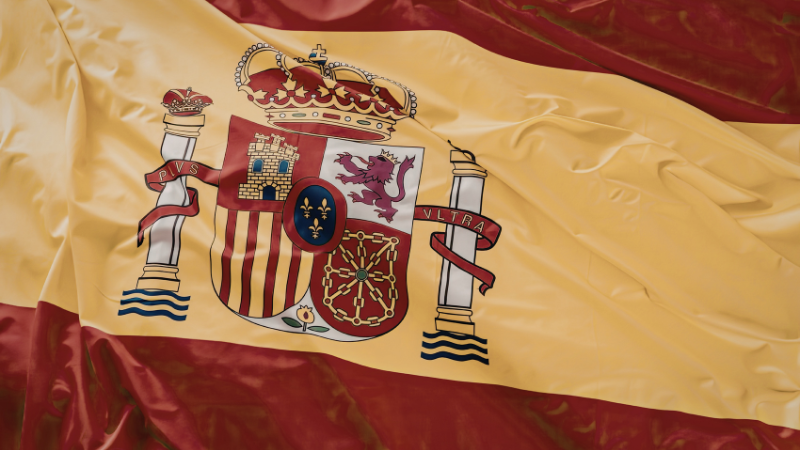
Heraldry is the study of coats of arms, symbols, and the rules that govern them. This course explains why many mass-market "family crest" products can be inaccurate, while building the knowledge needed for serious heraldic study and joint IHGS and Heraldry Society examinations.
Awaken Your Ancestors
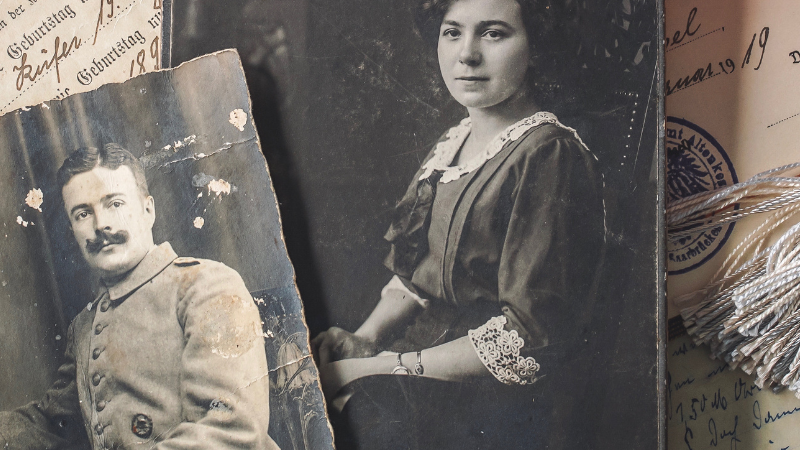
For those starting out, this self-assessed course guides you through the methodology of family history research.

Anytime Talks
Open to everyone, our Anytime Talks are a collection of recorded talks on a broad range of topics, led by course tutors and experts in their field.
Completing Your Family History
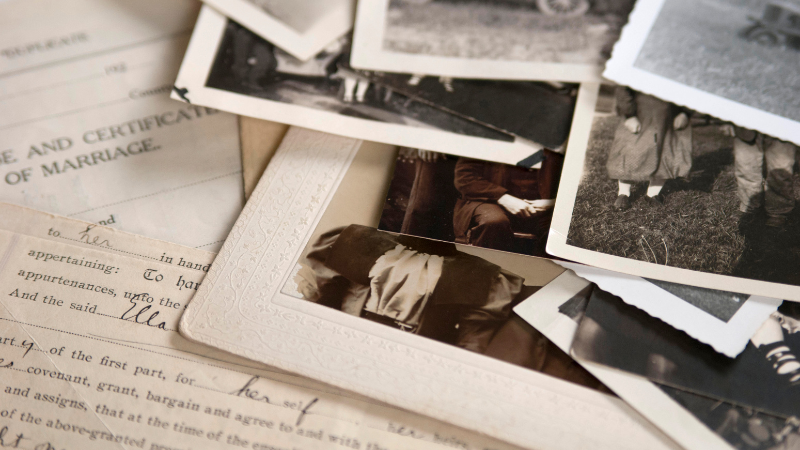
Looking at records that are often overlooked but essential for thorough family history research.

Why IHGS
Why Train with IHGS?
As the Institute of Heraldic and Genealogical Studies, IHGS offers accredited training shaped by decades of specialist work in genealogy, heraldry and historical research. The Higher Certificate develops broad professional foundations in research methodology, evidence analysis, historical interpretation and written reporting. Students learn to evaluate and correlate sources, resolve conflicting evidence, cite accurately and communicate conclusions ethically in client-ready reports, with specialist British Isles research as a distinctive regional strength alongside other subject specialisms.
You'll be guided by a team of experienced genealogists and historians who bring real-world expertise to every course. Their insight ensures you're not just learning theory, but gaining practical skills used in professional research today.
IHGS continues to support students after they receive their certificate. Many tutors are also IHGS alumni, bringing firsthand experience of the learning journey alongside their subject expertise. Graduates who want to remain connected, build professional visibility and help future students discover the Institute can explore the IHGS Ambassador Programme. It is a way to stay part of the IHGS community as your knowledge and career develop.
The best people to describe the benefits of the Correspondence Course are the students who have completed it.
Most surprising was the amount I gained from lectures dealing with topics I had thought I knew well already!
J Collins of Hampshire
The course has made me aware of records that I would never have looked at; having Ag Lab ancestors I only thought as far as the Workhouse! It also made me visit repositories that I would not have thought of.
P. Dagwell of Kent
The comments of my tutor are always constructive and informative.
A. Foreman of Kent
The course has been of inestimable value.
A. Baker of Surrey
I have found the course stimulating and interesting.
H. Jennings of Australia
The knowledge I have gained… is almost immeasurable.
S. Mendel of Lincolnshire
Every lecture has been a challenge in some way. Each acts as a catalyst for the student who wishes to know more.
G. Strachan of Northamptonshire
Each subject has been dealt with expertly... I would certainly recommend the course to anyone. I eagerly look forward to the next lecture.
B. Myers of Co Durham
I would just like to say that I enjoyed the course immensely - it took me into dark and mysterious areas of family history research and enabled me to uncover my ancestors back to the 17th century. Sadly I did not discover a lord, baron or famous general. My lot worked the fields, sailed the canals and marched in the ranks.
L. Mitchinson of Hampshire
Your Next Professional Chapter
A Structured Next Step
If you are studying for personal interest, preparing to offer research services, developing a specialist niche or pursuing external credentials, the Higher Certificate offers a structured way to build credible expertise around the work you care about.