IHGS FAMILY HISTORY & GENEALOGY
Family History and Lineage Societies for those of American Descent
Connect with people who share your history
Lineage societies bring together people who share an interest in a particular ancestry, place, culture, or historic experience. Membership can offer a meaningful way to meet fellow researchers, preserve family stories, and understand how individual lives connect to the wider history of a community.
Depending on the society, members may benefit from lectures, educational programs, publications, research guidance, special events, libraries, archives, and opportunities to collaborate with others who share their interests. Societies can also encourage careful, documented research and help members look beyond unsourced online family trees when verifying a line of descent. Eligibility requirements and member benefits vary, so researchers should review each society’s current information before applying.
01 / CULTURAL & ETHNIC
Cultural and Ethnic Genealogical Societies
America being such a melting pot of different races and nationalities, some of those ancestral groups have their own distinct social structures of which the researcher needs to be aware. Among the more important ethnic and cultural societies which are open to all:
02 / LINEAGE SOCIETIES
Lineage Societies in the United States
With restricted membership, each celebrates a particular aspect of US history, and restricts its membership to those with proven descents from connected individuals, for which the support of a professional genealogist is often helpful. Although some have research libraries, most do not provide research assistance, and none provides a comprehensive genealogical service.
03 / IHGS EXPERTISE
The IHGS offers a full genealogical research service
With a primary focus on England, Scotland and Ireland, but is also able to undertake research crossing national boundaries in Europe, North America, and other parts of the world. Two other areas of particular expertise are coats of arms, and medieval European ancestry. IHGS is a not-for-profit educational body established in 1961.
Find An Expert04 / OPEN TO ALL
Open To All
The Afro-American Historical and Genealogical Society (AAHGS), which focuses on African-descended family history and offers 37 chapters nationwide. aahgs.org
The American Historical Society of Germans from Russia (AHSGR), dedicated to those researching ancestors who migrated from Germany to Russia before coming to America. sar.org
The Polish Genealogical Society of America (PGSA) provides resources for researchers with Polish roots, including database access. pgsa.org
The Genealogical Hispanic Society of America (GSHA) focuses on Hispanic and Latino family history in the U.S. and Mexico. gshaa.org
For Jewish descents there are two excellent international sites: JewishGen and Sephardic Genealogy.
There are many individual surnames for which study groups have been set up. A list of these can be found at the Guild of One-Name Studies. one-name.org
Guild of One-name Studies: one-name.org/surnames_a-z/
One-name studies linked to DNA samples can be accessed by registering your DNA with FamilyTreeDNA.com.
05 / MEMBERSHIP REQUIRED
Membership Required
The Daughters of the American Revolution (DAR) is open to any woman aged 18 or older who can prove lineal bloodline descent from an ancestor who aided the American Revolution (a “Patriot”). dar.org
The Sons of the American Revolution (SAR) is open to any male who is a lineal descendant of a Patriot who supported the American cause for independence (1775–1783). sar.org
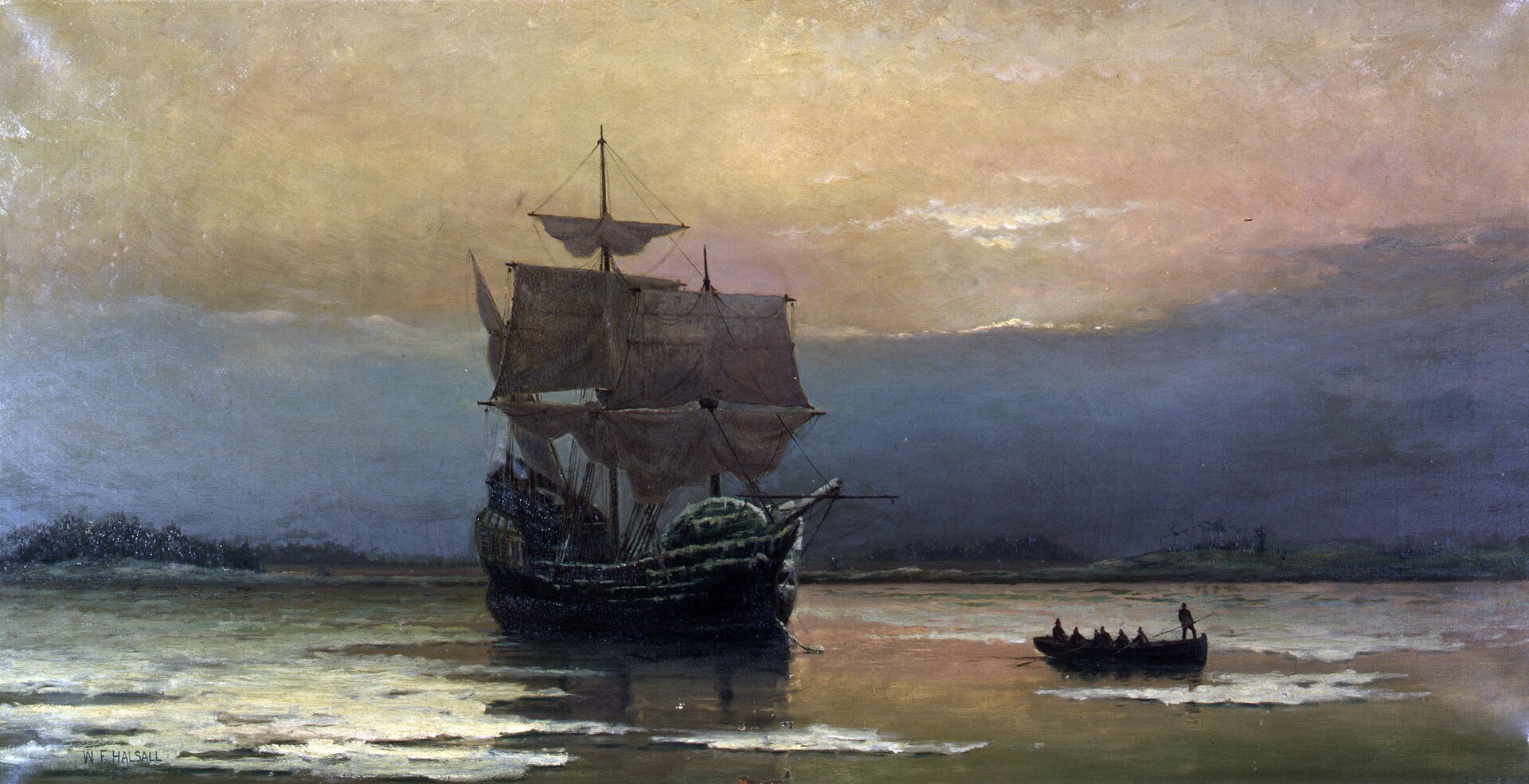
The Mayflower Society, or General Society of Mayflower Descendants (GSMD), is open to men and women aged 18 or older who can prove direct lineal descent from one of the 102 passengers on the Mayflower. themayflowersociety.org
The Sons & Daughters of the United States Middle Passage (SDUSMP) is open to men and women who can prove lineal descent from a person of African descent who was forced into slavery, including indentured servitude, in English colonial America and the United States of America up to the 13th Amendment to the United States Constitution, effective December 1865. sdusmp.org
Society of the Cincinnati is a fraternal, hereditary society with membership limited to male-line descendants of officers of the American Continental Army and Navy. societyofthecincinnati.org
National Society of the Colonial Dames of America (NSCDA) is open to women who are descended from an ancestor who came to reside in an American colony before 1776. nscda.org
The Colonial Dames of America (CDA) is open to women who descend from an ancestor who lived in British North America between 1607 and 1775, and who aided the colonies in public office, military service, or another acceptable capacity. cda1890.org
The Order of the Founders and Patriots of America (OFPA) is open to male U.S. citizens aged 18 or older who are directly descended from an ancestor who settled before May 13, 1657, in the territory that would become the Thirteen Colonies, with at least one intermediate ancestor who lived during the American Revolution from 1775 to 1783. ofpa.org
The Jamestowne Society is open to men and women who are descendants of stockholders in the Virginia Company of London and descendants of those who owned land or had domiciles in Jamestown or on Jamestown Island before 1700. There is an online list of qualifying named ancestors. jamestowne.org
General Society of Colonial Wars is open to men aged 18 and over who are lineal descendants of a person who served in a military capacity or held public office in one of the original 13 colonies before the American Revolution, between 1607 and the Battle of Lexington on April 19, 1775. gscw.org
06 / BRITISH LINEAGE
In The United Kingdom
There is a prestigious lineage society in the UK which is also open to U.S. citizens:
The Descendants of the Knights of the Garter, based at St George’s Chapel, Windsor Castle, and open to men and women with established descent from one or more Knights of the Garter.
07 / SOCIETY BENEFITS
How societies can support your genealogy
What are the benefits of joining a genealogy society?
Societies can provide a sense of community, lectures and educational programmes, specialist publications, library or archive access, and opportunities to learn from other researchers. Benefits vary by society.
How can a society help with genealogy research?
A society may point you towards relevant sources, local knowledge, specialist contacts, research methods, or useful leads. It can strengthen your approach, although membership is not usually a substitute for a complete research service.
Do I need to prove descent to join?
Not always. Some cultural, ethnic, and local societies are open to anyone with an interest, while lineage societies generally require documented descent from a qualifying ancestor or community.