DNA Evidence Puts to Rest a Centuries-Old Royal Mystery and the Adolf Hitler Escape Conspiracy
June 8, 2026
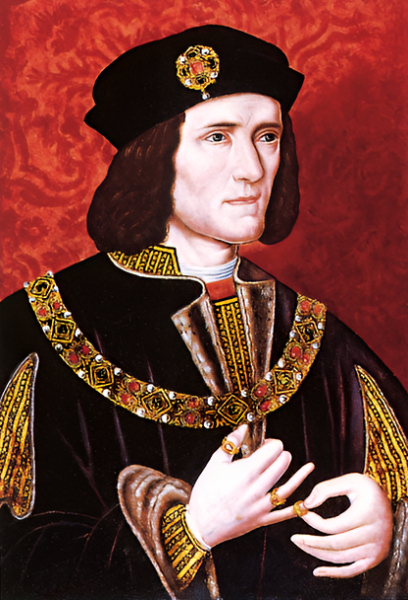
King Richard III of England and Genetic Genealogy: DNA Evidence Richard III and Hitler
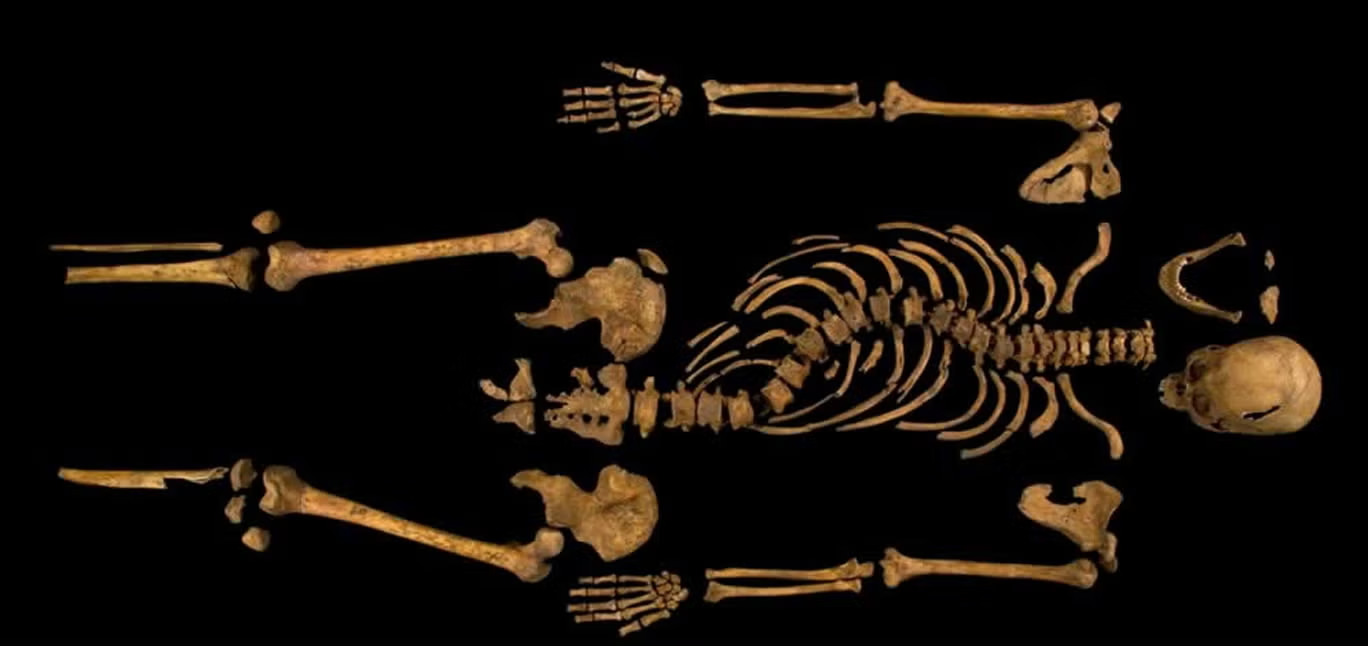
There are many remarkable aspects to the rediscovery and identification of the remains of King Richard III, who died at the Battle of Bosworth in 1485.
DNA evidence Richard III and Hitler provides a compelling lens through which to examine how genetics can resolve enduring historical questions.
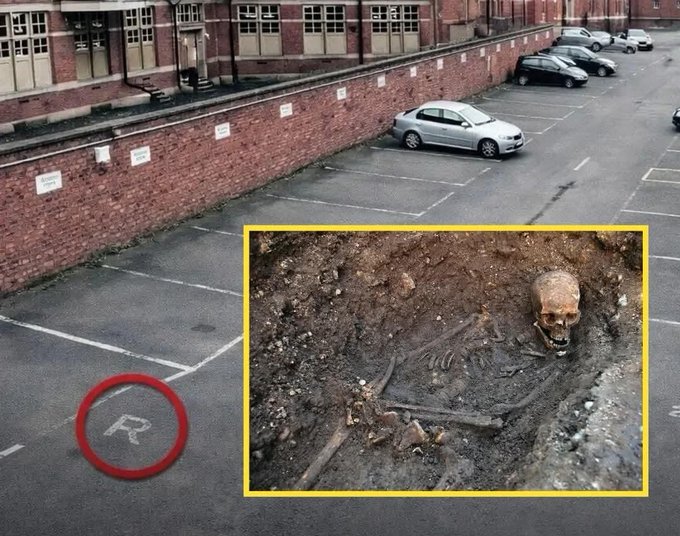
Firstly, by extraordinary coincidence, a large letter "R" was painted on the tarmac directly above the find spot in a Leicester city centre car park.
Secondly, his skeleton showed the curvature of the spine known as scoliosis, which would have resulted in the physical deformity described by Shakespeare.
The royal House of Plantagenet has few descendants in the direct male line, and when Richard III's Y chromosome was compared with known descendants of the Plantagenet House of Lancaster, they did not match.
Irregularities have long been suspected in the male-line descent of the Plantagenet House of York, from which Richard III sprang, but it is equally possible that there are irregularities in the paternal descent of the living descendants of John of Gaunt, Duke of Lancaster.
The correct Y haplogroup of the Plantagenets therefore remains unknown, and further work on skeletal remains would be desirable.
Despite such problems, it was possible to confirm Richard's identity using mitochondrial DNA through female-line descendants of his sister.
This crucial work was undertaken by Professor Turi King, one of the world's leading genetic genealogists.
The identification of Richard III remains one of the most significant examples of genetic genealogy in action, demonstrating how documentary research, archaeology, and DNA evidence can work together to solve historical mysteries that have endured for more than five centuries.
DNA Study Confirms Adolf Hitler Died in 1945
Conspiracy theorists have long attempted to suggest that Adolf Hitler did not commit suicide in his Berlin bunker, but instead escaped and went to live in South America.
The contrast in DNA evidence Richard III and Hitler shows how genetic research can test claims that have persisted for generations.
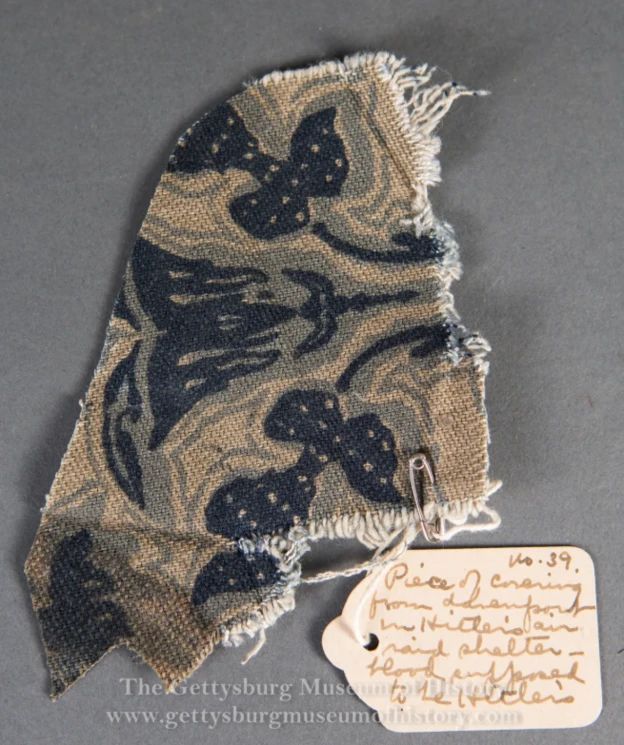
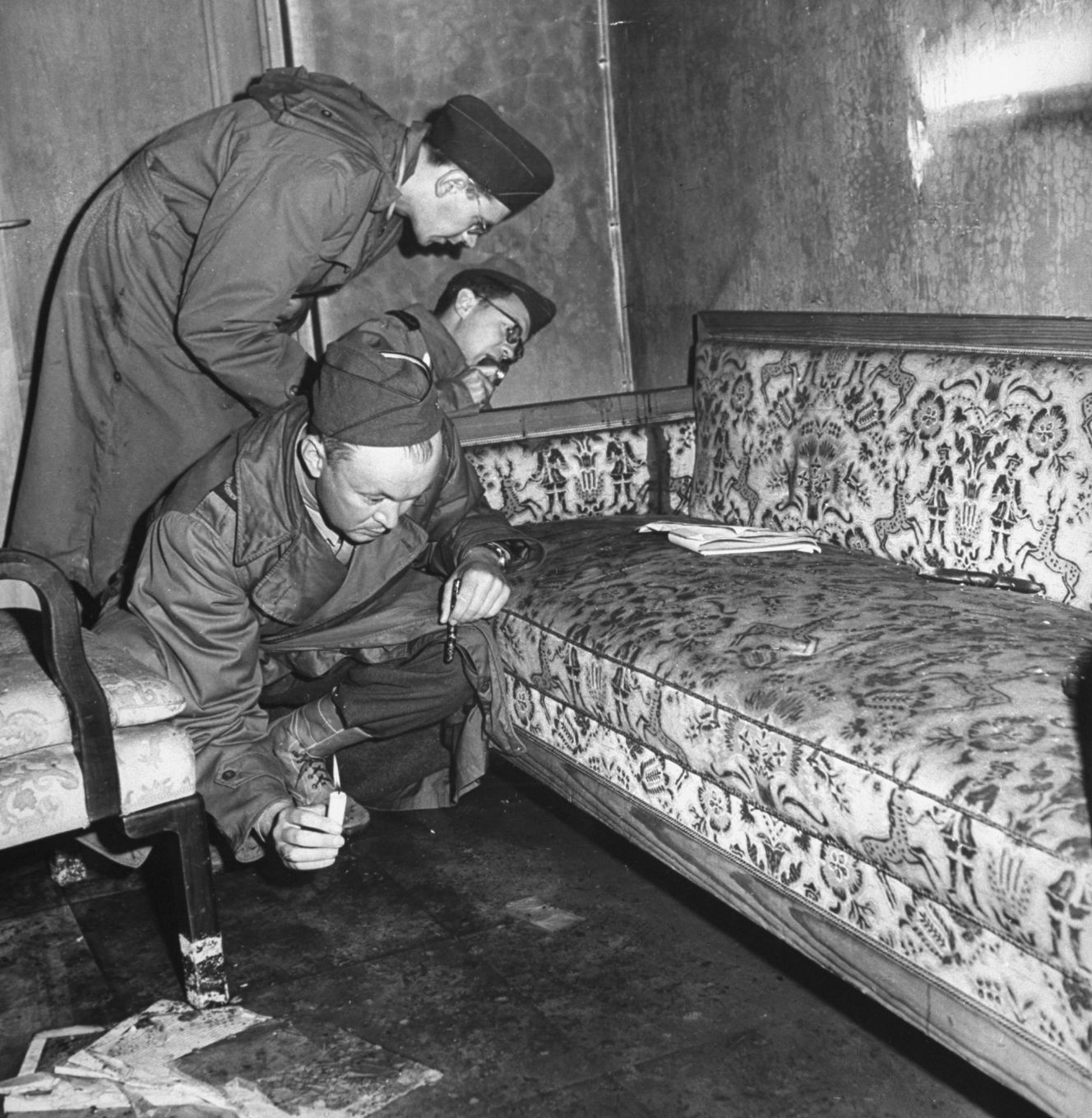
A swatch of blood said to have been taken from the sofa on which he shot himself is now held by the Gettysburg Museum of History.
DNA sequencing has confirmed a Y-haplogroup match with a known male relation, providing further evidence that the blood sample is authentic and supporting the conclusion that Hitler died in Berlin in 1945.
Another theory suggested that his anti-Semitism was linked to Jewish ancestry, but this has also now been disproved.
Based on polygenic risk scoring of genetic markers associated with autism, ADHD, and schizophrenia, it has been demonstrated that he falls within the top 1% of genetic risk for all three conditions.
While genetics do not reliably determine personality, with environmental factors generally being more important, a genetic predisposition to all three conditions is very rare.
Psychiatry is an imprecise science, but some experts have suggested that Hitler's highly unusual and distinctive personality may have manifested elements associated with these disorders.
This crucial work was undertaken by Professor Turi King, the leading genetic genealogist.
About Professor Turi King
Professor Turi King is Professor and Director of the Milner Centre for Evolution at the University of Bath, and was previously Professor of Public Engagement and Genetics at the University of Leicester.
Her career brings together genetics, ancient DNA, archaeogenetics, archaeology, history, forensics, surnames, and genetic genealogy. She studied Archaeology and Anthropology at the University of Cambridge before completing an MSc and PhD at the University of Leicester, where her doctoral research focused on the relationship between British surnames and Y-chromosomal haplotypes.
Alongside her academic work, Professor King is widely known as a broadcaster and public communicator, including through BBC Two’s DNA Family Secrets, Sky History’s Ancient Murders Unearthed, and her public speaking and consultancy work on genetics, ancient DNA, and historical identification.
Professor Turi King Awarded The Bickersteth Medal by The Institute of Heraldic and Genealogical Studies
Professor King’s extraordinary work in the field of genetic genealogy has helped show how DNA evidence can be used alongside documentary research, archaeology, and historical analysis to answer questions once thought impossible to resolve. IHGS is proud to recognise that contribution in 2026 with the prestigious Bickersteth Medal, one of the Institute’s highest honours for outstanding service to genealogy and the allied fields of historical research.
Could your own family history be holding the next remarkable discovery? Turn your passion for the past into real expertise with IHGS courses and professional research services.